1. Opening
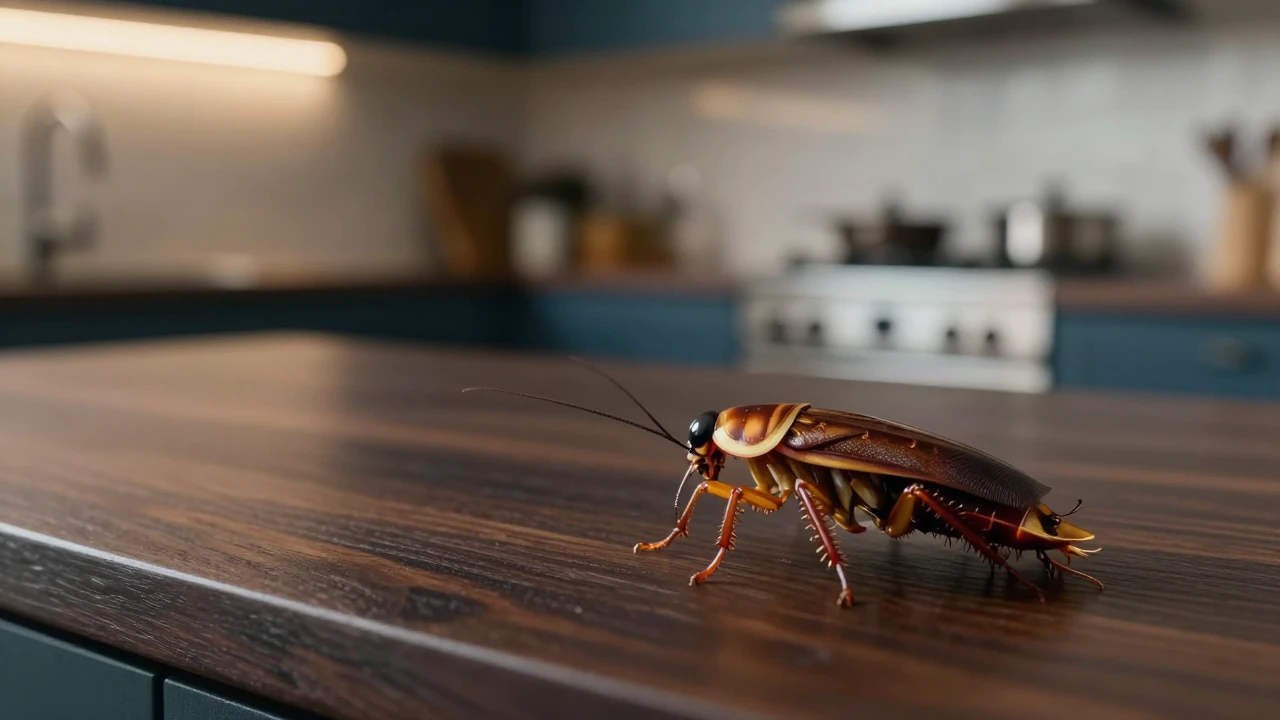
Cockroaches are one of the most common pest problems found in homes and businesses. They can hide in very small spaces, remain unnoticed for long periods and become difficult to control when the conditions around a property continue to support them.
In Sydney homes, access to food, moisture, warmth and shelter can create suitable conditions for cockroach activity. Understanding why they appear, where they hide and what can be done to prevent them is an important first step towards controlling the problem.
2. Why Do Cockroaches Enter Homes?
Cockroaches are primarily looking for three things: food, water and shelter.
Even a clean and well-maintained home can experience cockroach activity. Small food particles, grease, moisture around plumbing, accessible rubbish and gaps around walls or cupboards can provide opportunities for cockroaches to survive.
Common reasons cockroaches enter or remain inside a property include:
Food crumbs and spills
Unsealed food containers
Moisture around sinks and plumbing
Leaking taps or pipes
Accessible rubbish and food waste
Cardboard boxes and clutter
Cracks and gaps around walls, doors and pipes
Warm areas behind appliances
Identifying these conditions can be just as important as dealing with the cockroaches themselves.
3. Where Do Cockroaches Hide?
Cockroaches are often difficult to spot because they can remain hidden during the day and become more active when the property is quiet.
Common hiding areas include:
Behind refrigerators and ovens
Inside kitchen cupboards
Under sinks
Around plumbing connections
Behind dishwashers and washing machines
Inside wall and cabinet gaps
Around drains and damp areas
In cluttered storage spaces
Around bins and food storage areas
If cockroach activity keeps appearing in the same part of the property, nearby hiding or harbourage areas may need closer attention.
4. How Can You Prevent Cockroaches?
The best place to start is by reducing the food, water and shelter that cockroaches can access.
1. Store Food Properly
Keep dry food in sealed containers rather than leaving opened packets or boxes in cupboards.
Clean crumbs, spills and food residue as soon as possible, particularly around kitchens and dining areas.
2. Reduce Moisture
Check underneath sinks and around plumbing for leaks.
Keep wet areas as dry as practical and address ongoing moisture problems rather than allowing them to continue.
3. Manage Rubbish
Use bins with secure lids and empty them regularly.
Food waste can provide an easy food source for cockroaches, especially when rubbish remains inside the property for extended periods.
4. Reduce Clutter
Cardboard boxes, paper products and unused items can create sheltered areas where pests may hide.
Keeping cupboards, garages and storage areas organised also makes pest activity easier to identify.
5. Seal Suitable Entry Points
Inspect areas around doors, windows, pipes, cupboards and wall penetrations.
Sealing suitable gaps can reduce opportunities for cockroaches to enter or move between areas of a property.
5. Are Household Cockroach Sprays Enough?
Household insect sprays can kill cockroaches that are directly contacted, but they do not necessarily address the underlying conditions that allow an infestation to continue.
The more difficult problem is often the cockroaches that remain hidden.
If activity continues despite repeated DIY treatment, it may be necessary to look at:
Where cockroaches are entering
Where they are hiding
Available food and moisture
The level and pattern of activity
Areas that may require targeted treatment
Conditions that could allow activity to return
Always follow the instructions on any pesticide product and use it only as directed on the label.
6. When Should You Consider Professional Cockroach Control?
Professional pest control may be worth considering when cockroach activity is persistent, widespread or repeatedly returning despite basic prevention.
Consider getting professional advice if:
You regularly see cockroaches
Cockroaches are appearing during the day
You are finding signs such as droppings
Activity continues after cleaning and prevention
Cockroaches are appearing in multiple areas
You live in an apartment or connected property
You cannot identify where the activity is coming from
The problem keeps returning after DIY treatment
Daytime sightings can indicate significant activity in some situations, but they should not be used by themselves to determine the size or severity of an infestation.
A proper assessment considers the property, visible activity and surrounding conditions.
7. What Happens During Professional Cockroach Treatment?
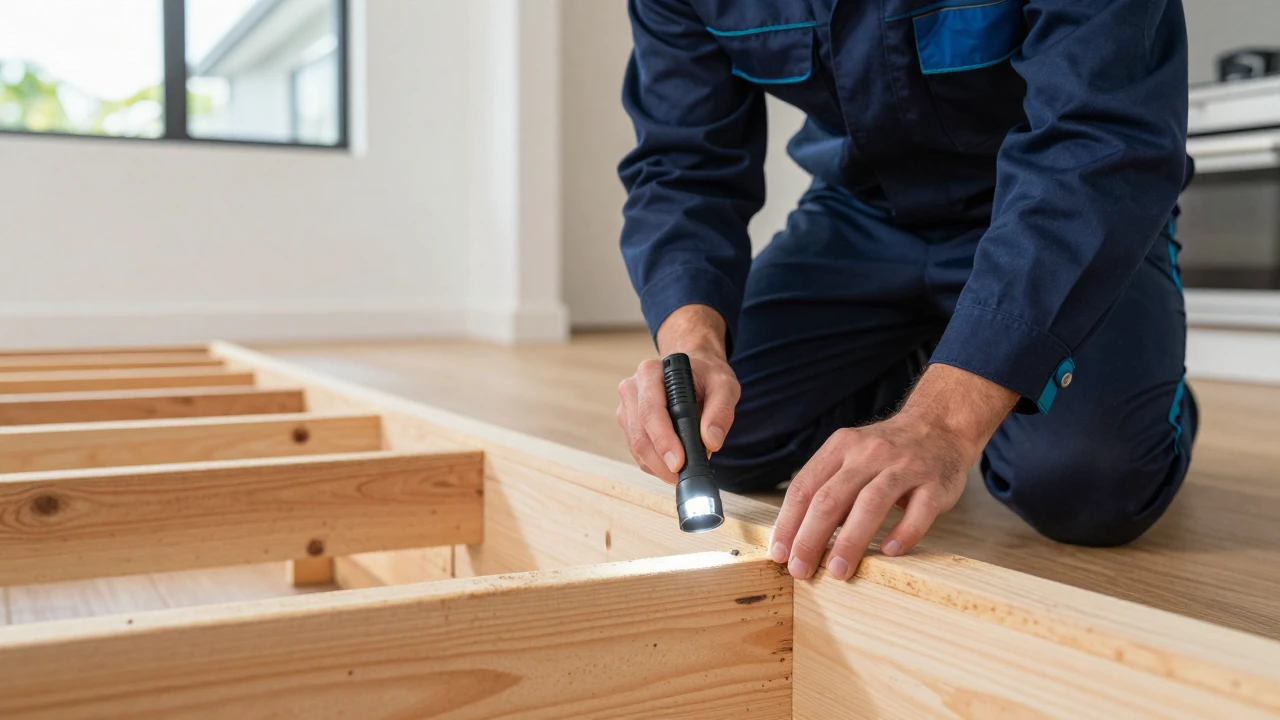
A professional treatment should begin with understanding the property and the pest activity rather than simply treating the areas where cockroaches have been seen.
Depending on the situation, a pest professional may assess:
Kitchen and food preparation areas
Cupboards and storage spaces
Plumbing and moisture points
Appliances and equipment
Potential entry points
Signs of pest activity
Areas where cockroaches may be hiding
The appropriate treatment approach depends on the property, pest activity and products being used.
After treatment, property owners may also receive recommendations about food storage, cleaning, moisture management and reducing conditions that could support future pest activity.
8. Why Do Cockroaches Keep Coming Back?
Recurring cockroach activity can be frustrating, particularly when the problem appears to return after treatment.
A treatment can address existing pest activity, but if the conditions attracting cockroaches remain unchanged, future activity may still occur.
For example, ongoing moisture, accessible food, structural gaps or pest activity in a connected property can contribute to repeated sightings.
That is why effective pest management should look beyond the cockroach that is visible and consider the conditions around the property.
9. Cockroach Control for Sydney Homes and Businesses
Cockroach problems can affect houses, apartments, restaurants, offices, warehouses and other commercial properties.
The right approach can vary depending on the type of property and how the space is used.
For example, an apartment may have shared walls and plumbing connections, while a commercial kitchen may have different operational, hygiene and access requirements.
A professional assessment can help identify likely sources of activity and determine an appropriate treatment strategy for the property.
10. Final Thoughts
Cockroaches are easier to manage when the conditions supporting them are identified and addressed.
Rather than focusing only on killing the cockroach you can see, consider the wider problem: food sources, moisture, hiding areas, entry points and recurring conditions.
Good property hygiene and preventative measures can help reduce the likelihood of pest activity. When cockroach problems persist or continue to return, professional pest control can help identify the cause and determine an appropriate treatment approach.
11. Final CTA
Need Help With Cockroach Activity?
GR Pest Control provides professional pest management for homes and businesses across Western Sydney.
If you are regularly finding cockroaches and the activity is not improving, request a free quote to discuss your property and pest problem.